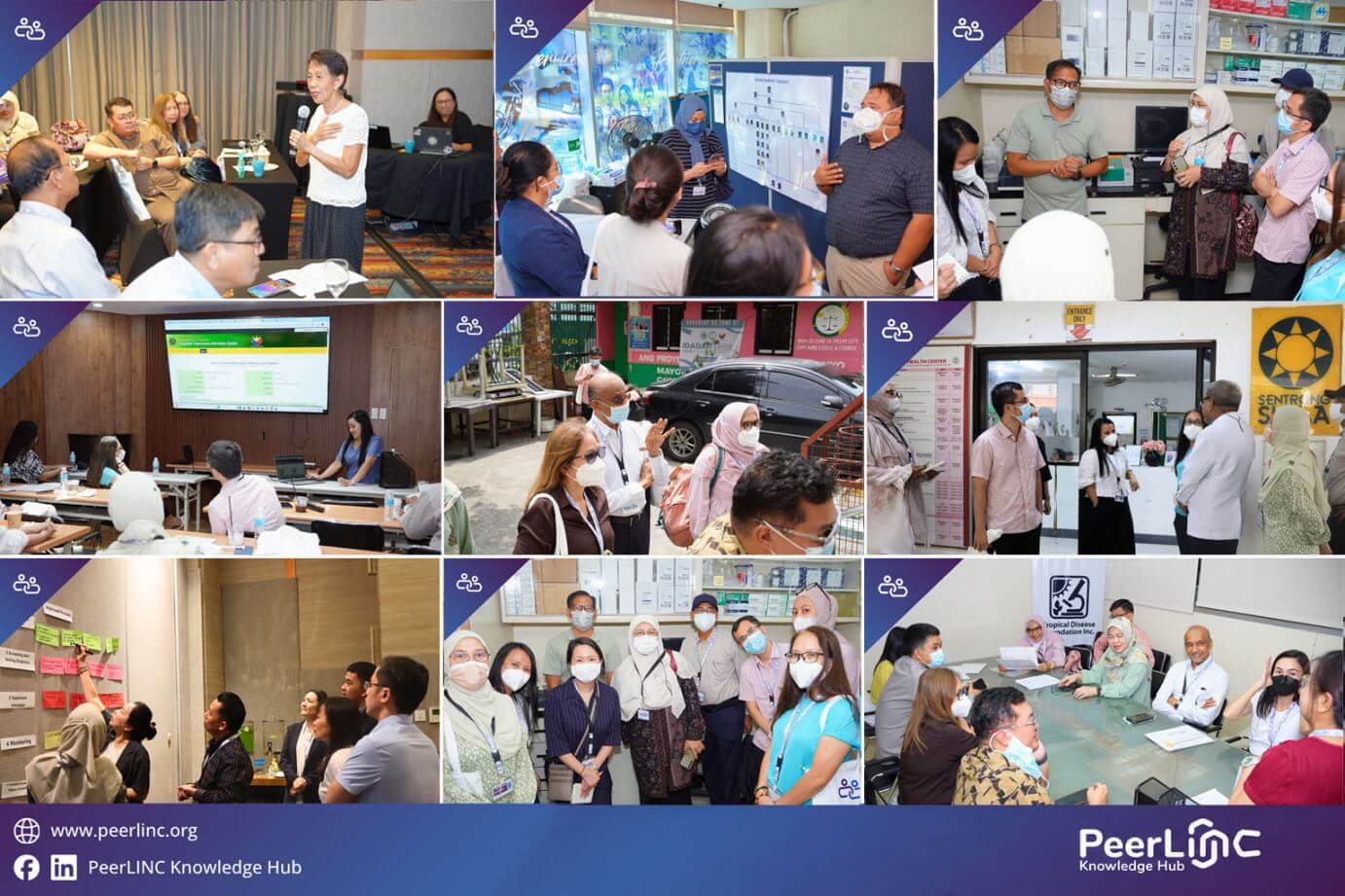
Seeing how DR-TB guidance works across laboratories, clinics, and local health facilities helps translate policy into patient care. This shaped the field-based component of the PeerLINC Regional Capacity Building Program for Southeast Asia, organized by PeerLINC Knowledge Hub with TB Alliance and the Tropical Disease Foundation, with support from the Australian Government through AusAID.
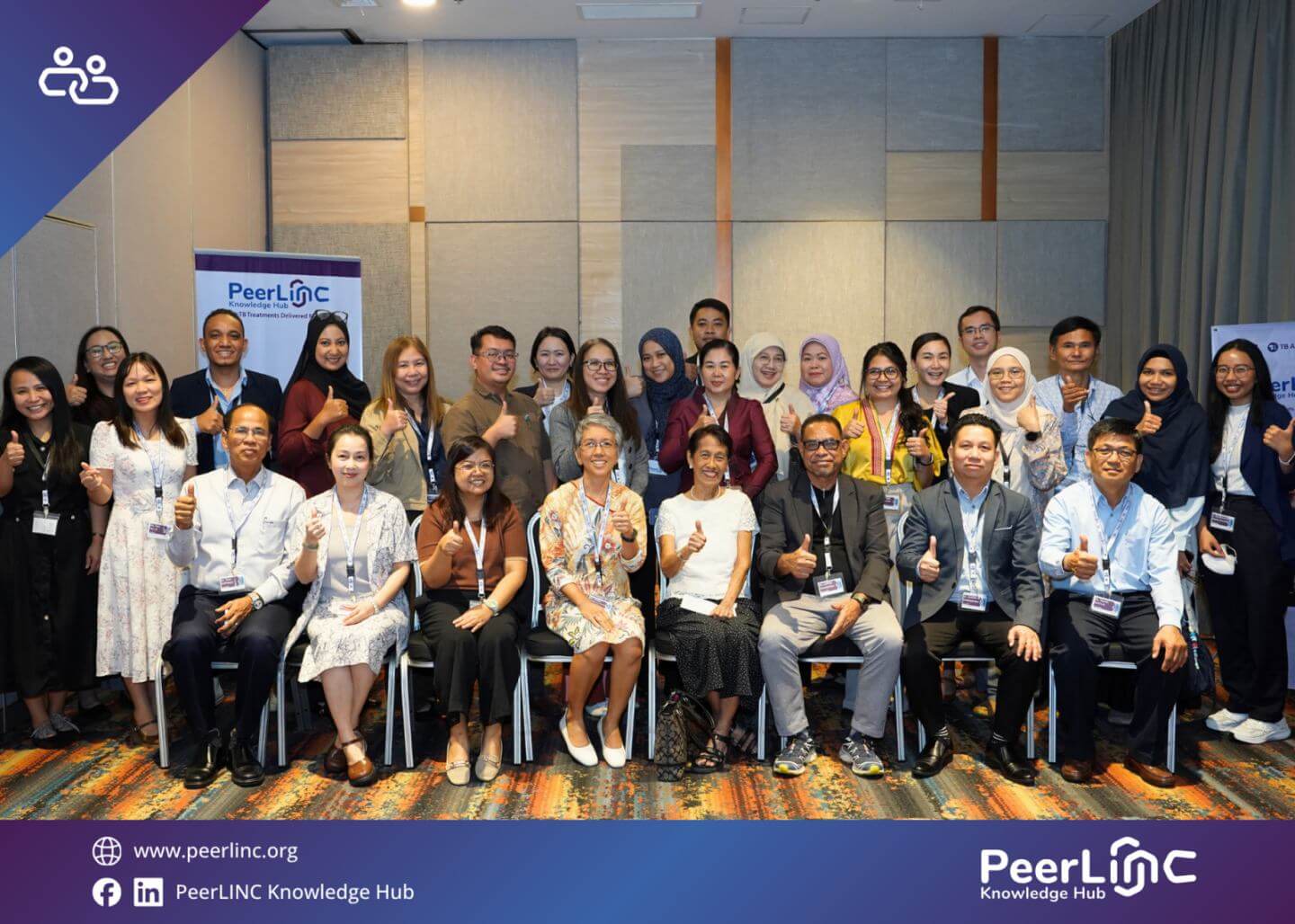
Held from July 6 to 9, 2026, the program brought together National TB Program representatives, clinicians, laboratory specialists, public health professionals, and community advocates from Cambodia, Indonesia, Lao PDR, Malaysia, Timor-Leste, Vietnam, and the Philippines.
Learning across the patient journey
At the TDF clinic and laboratory in Makati City, delegates observed how DR-TB care moves from diagnosis to treatment and monitoring. The visit covered laboratory processes, treatment enrollment, clinical documentation, adverse-event monitoring, and approaches to supporting patients throughout treatment.
Participants also visited Tejeros Health Center in Makati and the Cuyegkeng Health Center and Doña Marta Health Center in Pasay, where they examined patient monitoring, information systems, medicine supply management, and coordination among health workers and facilities.
Together, the visits demonstrated that introducing a new treatment regimen requires more than access to medicines. Health systems must also ensure timely testing, monitor treatment safety, maintain reliable records and supplies, and provide services that patients can access and complete.
For Michelle Goroh, a public health physician and TB program manager with the Sabah State Health Department in Malaysia, the facility visits were the most valuable part of the program. “We were able to assess the accessibility of health facilities, the availability of tests, the acceptability of BPaL/M regimens among patients, and the feasibility of PMDT implementation in the Philippines,” she said.
Ivonia Belo, Social Protection & Nutrition Support Focal Person in Timor-Leste, highlighted the value of learning from other national programs. “The country experience-sharing sessions stood out because they provided practical examples of how nations have successfully implemented DR-TB services and addressed common challenges,” Belo said, emphasizing that these insights offered valuable ideas that can be adapted in her country.
From observation to country action
The visits formed part of a broader program that included clinical case exercises, adverse-event simulations, patient pathway mapping, country gap analysis, and structured peer exchange on the introduction and scale-up of BPaLM/ BPaL and other World Health Organization-recommended all-oral regimens.
Rather than presenting the Philippine experience as a single model to be copied, PeerLINC encouraged participants to identify practices that could be modified to align with their respective health systems. Each country delegation concluded the workshop by developing priority actions for the next six to twelve months.
By incorporating laboratories, clinics, and local health facilities into the learning environment, PeerLINC created a direct connection between technical guidance and implementation practice. TDF’s clinical and laboratory experience helped make that connection visible, showing participants how newer, shorter, and more effective DR-TB treatments move from global recommendations into routine care.