History
The Evolution of TDF
Decades of Public Health Leadership
The Tropical Disease Foundation, Inc. (TDF) is a private, non-stock, non-profit organization founded in 1984 by a group of physicians in the Research Institute for Tropical Medicine. The founding chairman was Dr. Jesus Azurin, then Secretary of Health. Through a Memorandum of Agreement with the Makati Medical Center (MMC) in 1987.
2025
TDF was selected as a clinical trial site and central laboratory for the QUANTUM study on quabodepistat for MDR-TB.
It also served as a validation site evaluating the STANDARD™ M10 MTB-RIF/INH assay against Xpert® MTB/RIF Ultra for detecting Mycobacterium tuberculosis in a high-burden setting.
2024
Launched in March 2024, Peer-to-Peer Learning for Innovative Cures (PeerLINC) is a global knowledge hub accelerating adoption of innovative TB treatments through structured peer exchange and cross-country collaboration. The BPaL study concluded in 2024 with a 98% treatment success rate, confirming the regimen’s safety and effectiveness for MDR-TB.
In December 2024, TDF secured a signed agreement for the Tuberculosis-Free Visayas and Mindanao initiative, expanding high-impact TB interventions nationwide.
2023
TDF strengthened infectious disease control efforts as a sub-award recipient of FHI 360 under the USAID-funded TB Innovations and Health System Strengthening (TBHISS) project. On March 20, 2023, The Primary Clinic by TDF was accredited as a Primary HIV Care Facility, expanding access to comprehensive HIV services, including ART and laboratory support.
2022
In March 2022, TDF resumed its HIV project as a sub-grantee of the EpiC project. Its study on pooled dried blood spot testing using the Cepheid GeneXpert HIV-1 qualitative assay advanced early detection of acute HIV infection, improving testing efficiency and enabling earlier treatment and better outcomes for people living with HIV.
2021
TDF strengthened TB and COVID-19 responses through strategic partnerships and research leadership. With Radisen Technology Pte. Ltd., it launched a One-Stop Community TB Service and advanced patient-centered TB screening solutions.
On May 18, 2021, TDF formalized a Wellcome Trust–funded collaboration with the University of Oxford to implement the ISARIC Clinical Characterisation Protocol in LMICs. As regional and local coordinator, led by Dra. Janice Campos Caoili, TDF mobilized healthcare providers to contribute to the global COVID-19 database.
2020
TDF expanded access to quality diagnostics and innovative treatments nationwide. Through the Philippine Private Sector Diagnostics Consortium, it helped reduce the cost of the GeneXpert TB test by 70% (from ₱8,000 to ₱2,270), making diagnosis more affordable.
During the COVID-19 pandemic, TDF partnered with Ayala Corporation and Bloomberry Cultural Foundation, Inc. to establish a DOH-accredited RT-PCR laboratory, licensed on May 27, 2020, increasing national testing capacity. In December, TDF served as local coordinator for the KOICA-funded LIFT-TB Project, supporting shorter treatment regimens for multidrug-resistant TB.
2019
At the 7th Asia Pacific Regional Conference of The Union (April 23–26, 2019), Dr. Thelma Tupasi received the Leadership SIKAT Award for her significant contributions to TB control. In October 2019, TDF expanded its research portfolio by opening the TDF–Medical Research Unit (TDF-MRU), led by Dr. Maria Rosario Zeta Capeding.
2018
TDF strengthened national clinical trial capacity by training personnel from Cebu Velez General Hospital to conduct laboratory assays for the TRUNCATE trial.
2017
As a DAIDS-accredited Mycobacteriology Laboratory, TDF was authorized to participate in NIH AIDS Clinical Trials Network–sponsored studies as a TB Diagnostics Laboratory, positioning it within a premier global research network. With support from Johns Hopkins University’s pSMILE program, this accreditation strengthened national capacity for high-quality TB and HIV research, expanded access to advanced diagnostics and clinical trials, enhanced patient safety, and reinforced the Philippines’ role in global infectious disease research and evidence-based policy development.
2014
Operational Research & Policy Support
Conducted a multi-stakeholder Case-Control Operational Study for the National TB Control Program, supported by USAID, the US CDC, and the Lung Center of the Philippines.
2013
Global Recognition & Local Expansion
The Union Medal: Founder Dr. Thelma E. Tupasi received the Union Medal in Paris for her lifelong contributions to TB management in Asia.
DOTS Reopening: Partnered with the Makati Health Department to open a satellite treatment center for Programmatic Management of Drug-Resistant TB (PMDT).
2012
Innovations in Point-of-Care Testing
Explored new diagnostic methods with Otsuka, focusing on LAM antibodies (a TB cell wall component) to develop faster point-of-care testing.
2009
Revolutionary Diagnostics & Meta-Analysis
GeneXpert Breakthrough: Served as a global demonstration site for the GeneXpert MTB/RIF assay, enabling rapid detection of TB and Rifampicin resistance.
Global MDR-TB Study: Joined 26 international centers in an IPD meta-analysis for MDR-TB, sponsored by McGill University and Harvard Medical School.
2008
In 2008, the Tropical Disease Foundation formally celebrated the blessing and inauguration of the Philippine Institute of Tuberculosis Building, its base for operations. This event marked an important milestone in TDF’s continuing fight against tuberculosis, as it brought together leaders from the medical, corporate, and philanthropic communities, whose support helped make the facility possible.
2008
Global Pharmaceutical Partnerships
Contracted by Otsuka Pharmaceuticals to evaluate new TB drug candidates and upgrade treatment standards.
Collaborated with the US CDC on the Preserving Effective TB Treatment Study (PETTS).
2007
TDF remains a leader in research, particularly in tuberculosis. In 2007, TDF led the 3rd Nationwide Tuberculosis Prevalence Survey, from which data and information on the status of TB prevalence in the Philippines was derived The findings from the NTPS have been the basis for the national TB program and subsequent studies.
2004
Partnered with the Case Western Reserve University School of Medicine, Cleveland, Ohio, USA (CWRU) TB Research Unit to study shortening standard TB chemotherapy from six months to four for non-cavitary, HIV-negative patients.
2003
In 2003, the Foundation was awarded resources by the Global Fund to fight TB, malaria and HIV. As its Principal recipient from 2003 to 2009, the foundation carried out programs dedicated to these diseases. Foremost in its notable efforts, the foundation pioneered the establishment of multiple centers capable of the diagnosis and treatment of Multidrug Resistant Tuberculosis.
2000
TDF was given the 2000 Outstanding Health Research Award. This also initiated the close collaboration between the TDF and the National TB Control Program of the Department of Health through the initiation of the DOTS Clinic at the Makati Medical Center. This private-public collaboration provides free service in the management of TB patients and was the first DOTS-Plus pilot project approved by the WHO Green Light Committee for the management of multi-drug resistant TB.
1997
In 1997, the Tropical Disease Foundation was commissioned by the Department of Health to do the Nationwide TB Prevalence Survey.
1993
TDF’s virology laboratory was opened to address the increasing demand for rapid and accurate diagnosis of viral infections.
1990
Throughout the 1990s, research was conducted on hepatitis B, herpes simplex, rubeola, and multi-drug resistant typhoid fever. Additionally, TDF employees gave trainings and built capacity in these diseases.
1989
Dr. Roberta Romero, a research specialist on dermatology and WHO temporary adviser on leprosy, heads studies on leprosy, in collaboration with the Leonard Wood Memorial Center in Cebu.
1988
Through the generosity of donors and friends, TDF inaugurated its research laboratory on mycobacteriology, including fluorescent sputum smear microscopy, TB culture, and drug sensitivity testing, on 2 February 1988. The launch was graced by the presence of Professor Calvin M. Kunin and Dr. Constantino P. Manahan. With these laboratory facilities, the TDF was able to pursue its activities in training and research in tropical infectious diseases.
The TDF fulfilled several major accomplishments in its research of various diseases.
In 1988, the TDF published the first edition of the Guidelines on Anti-Microbial Therapy. One year later, Dr. Roberta Romero headed research on leprosy.
1987
Through a Memorandum of Agreement with the Makati Medical Center (MMC) in 1987, the TDF transferred to the MMC and Dr. Constantino P. Manahan was elected as the Chairman of the TDF Board of Trustees. The current chairman of the Board is Dr. Jose C. Benitez.
1984
The Tropical Disease Foundation, Inc. (TDF) is a private, non-stock, non-profit organization founded in 1984 by a group of physicians in the Research Institute for Tropical Medicine. The founding chairman was Dr. Jesus Azurin, then Secretary of Health.
2025
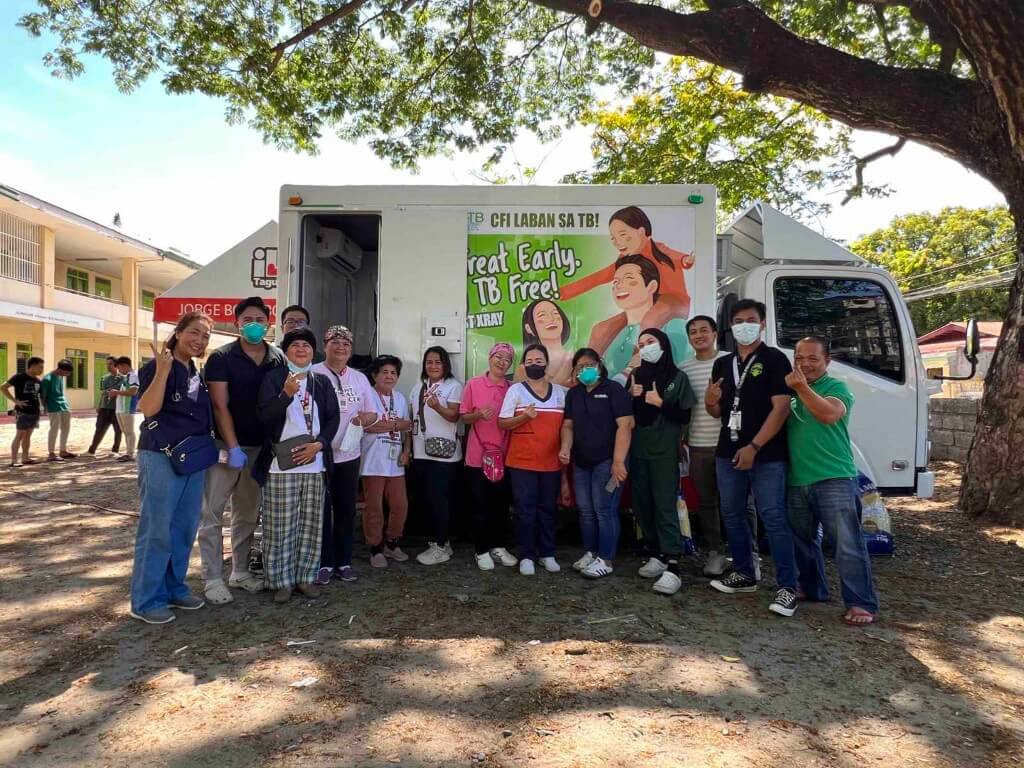
TDF was selected as a clinical trial site and central laboratory for the QUANTUM study on quabodepistat for MDR-TB.
It also served as a validation site evaluating the STANDARD™ M10 MTB-RIF/INH assay against Xpert® MTB/RIF Ultra for detecting Mycobacterium tuberculosis in a high-burden setting.
2024
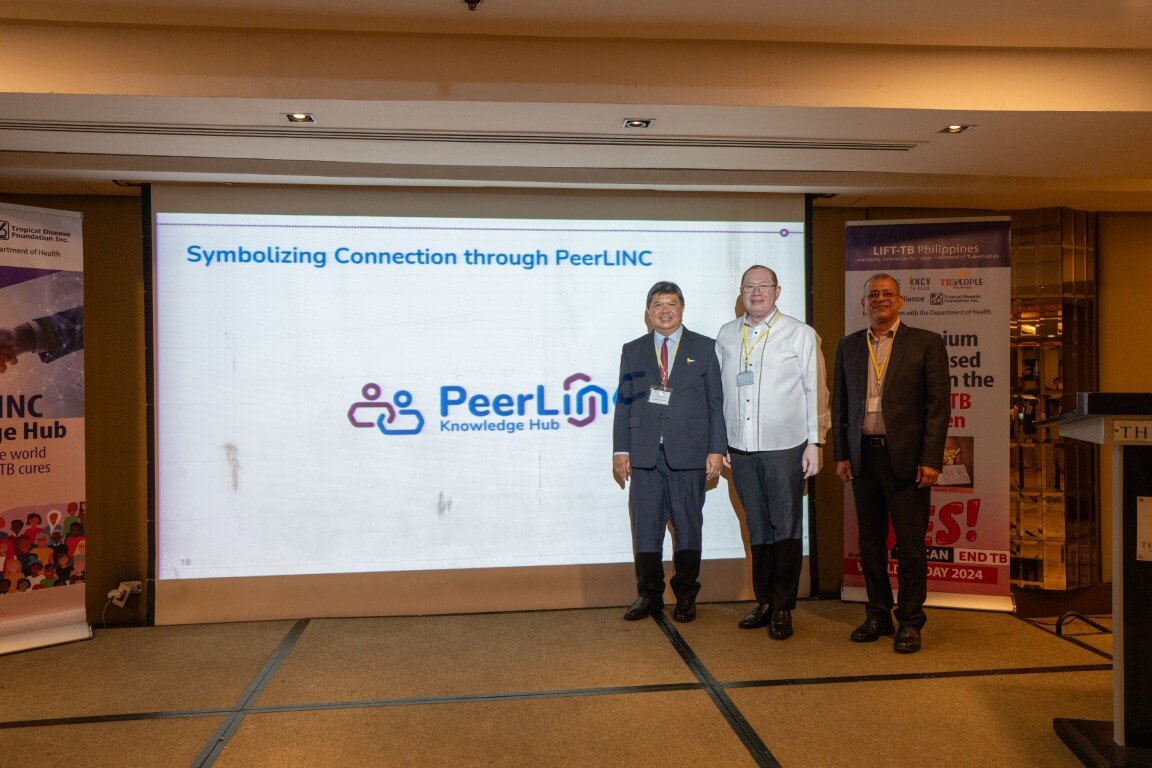
Launched in March 2024, Peer-to-Peer Learning for Innovative Cures (PeerLINC) is a global knowledge hub accelerating adoption of innovative TB treatments through structured peer exchange and cross-country collaboration. The BPaL study concluded in 2024 with a 98% treatment success rate, confirming the regimen’s safety and effectiveness for MDR-TB.
In December 2024, TDF secured a signed agreement for the Tuberculosis-Free Visayas and Mindanao initiative, expanding high-impact TB interventions nationwide.

2023
TDF strengthened infectious disease control efforts as a sub-award recipient of FHI 360 under the USAID-funded TB Innovations and Health System Strengthening (TBHISS) project. On March 20, 2023, The Primary Clinic by TDF was accredited as a Primary HIV Care Facility, expanding access to comprehensive HIV services, including ART and laboratory support.

2022
In March 2022, TDF resumed its HIV project as a sub-grantee of the EpiC project. Its study on pooled dried blood spot testing using the Cepheid GeneXpert HIV-1 qualitative assay advanced early detection of acute HIV infection, improving testing efficiency and enabling earlier treatment and better outcomes for people living with HIV.

2021
TDF strengthened TB and COVID-19 responses through strategic partnerships and research leadership. With Radisen Technology Pte. Ltd., it launched a One-Stop Community TB Service and advanced patient-centered TB screening solutions.
On May 18, 2021, TDF formalized a Wellcome Trust–funded collaboration with the University of Oxford to implement the ISARIC Clinical Characterisation Protocol in LMICs. As regional and local coordinator, led by Dra. Janice Campos Caoili, TDF mobilized healthcare providers to contribute to the global COVID-19 database.

2020
TDF expanded access to quality diagnostics and innovative treatments nationwide. Through the Philippine Private Sector Diagnostics Consortium, it helped reduce the cost of the GeneXpert TB test by 70% (from ₱8,000 to ₱2,270), making diagnosis more affordable.
During the COVID-19 pandemic, TDF partnered with Ayala Corporation and Bloomberry Cultural Foundation, Inc. to establish a DOH-accredited RT-PCR laboratory, licensed on May 27, 2020, increasing national testing capacity. In December, TDF served as local coordinator for the KOICA-funded LIFT-TB Project, supporting shorter treatment regimens for multidrug-resistant TB.

2019
At the 7th Asia Pacific Regional Conference of The Union (April 23–26, 2019), Dr. Thelma Tupasi received the Leadership SIKAT Award for her significant contributions to TB control. In October 2019, TDF expanded its research portfolio by opening the TDF–Medical Research Unit (TDF-MRU), led by Dr. Maria Rosario Zeta Capeding.

2018
TDF strengthened national clinical trial capacity by training personnel from Cebu Velez General Hospital to conduct laboratory assays for the TRUNCATE trial.
2017
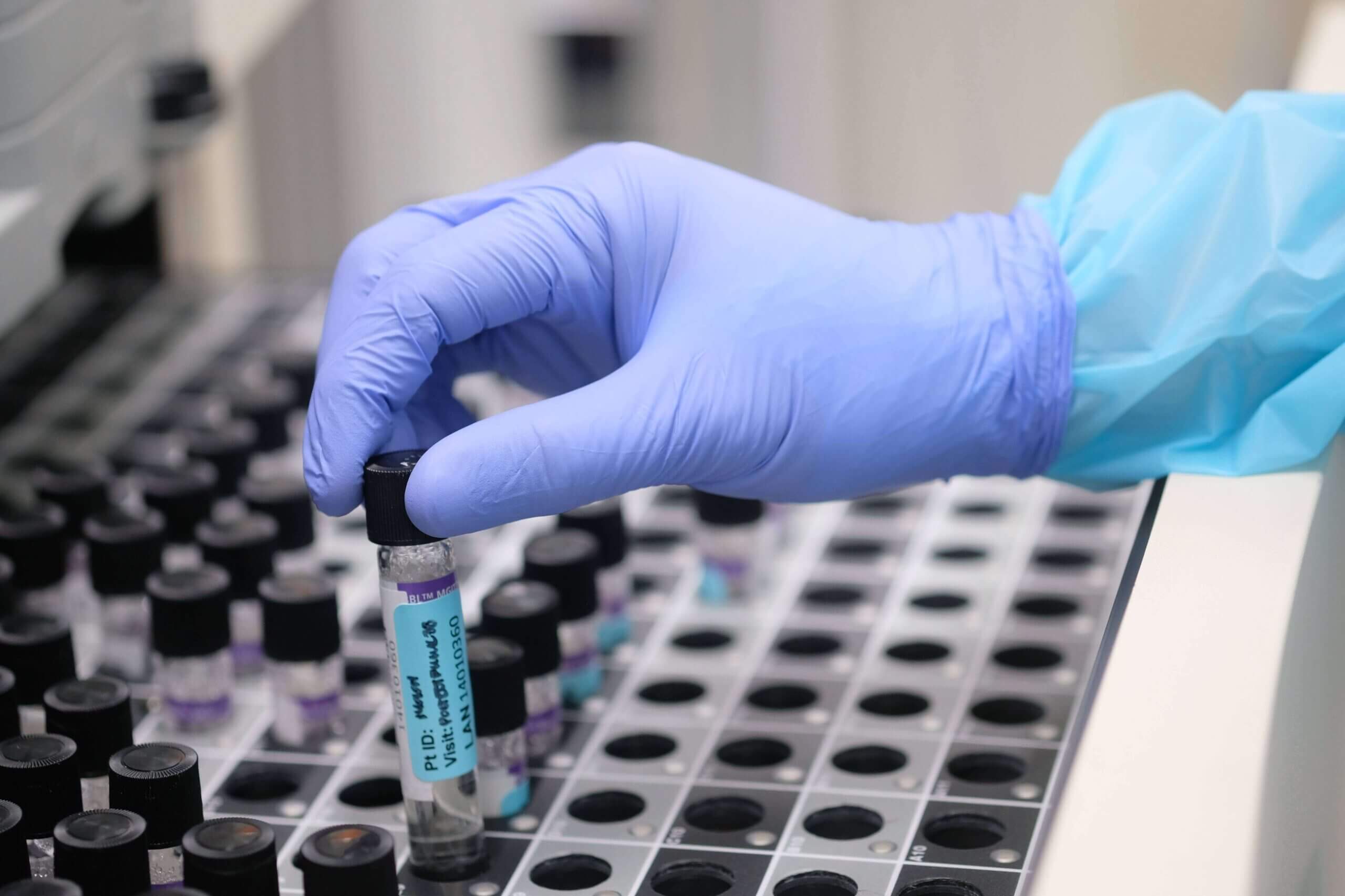
As a DAIDS-accredited Mycobacteriology Laboratory, TDF was authorized to participate in NIH AIDS Clinical Trials Network–sponsored studies as a TB Diagnostics Laboratory, positioning it within a premier global research network. With support from Johns Hopkins University’s pSMILE program, this accreditation strengthened national capacity for high-quality TB and HIV research, expanded access to advanced diagnostics and clinical trials, enhanced patient safety, and reinforced the Philippines’ role in global infectious disease research and evidence-based policy development.

2014
Operational Research & Policy Support
Conducted a multi-stakeholder Case-Control Operational Study for the National TB Control Program, supported by USAID, the US CDC, and the Lung Center of the Philippines.

2013
Operational Research & Policy Support
Conducted a multi-stakeholder Case-Control Operational Study for the National TB Control Program, supported by USAID, the US CDC, and the Lung Center of the Philippines.

2012
Innovations in Point-of-Care Testing
Explored new diagnostic methods with Otsuka, focusing on LAM antibodies (a TB cell wall component) to develop faster point-of-care testing.

2009
Innovations in Point-of-Care Testing
Explored new diagnostic methods with Otsuka, focusing on LAM antibodies (a TB cell wall component) to develop faster point-of-care testing.

2008

2008
Global Pharmaceutical Partnerships
Contracted by Otsuka Pharmaceuticals to evaluate new TB drug candidates and upgrade treatment standards.
Collaborated with the US CDC on the Preserving Effective TB Treatment Study (PETTS).

2007

2004

2003
In 2003, the Foundation was awarded resources by the Global Fund to fight TB, malaria and HIV. As its Principal recipient from 2003 to 2009, the foundation carried out programs dedicated to these diseases. Foremost in its notable efforts, the foundation pioneered the establishment of multiple centers capable of the diagnosis and treatment of Multidrug Resistant Tuberculosis.

2000

1997

1993

1990
Throughout the 1990s, research was conducted on hepatitis B, herpes simplex, rubeola, and multi-drug resistant typhoid fever. Additionally, TDF employees gave trainings and built capacity in these diseases.

1989

1988
Through the generosity of donors and friends, TDF inaugurated its research laboratory on mycobacteriology, including fluorescent sputum smear microscopy, TB culture, and drug sensitivity testing, on 2 February 1988. The launch was graced by the presence of Professor Calvin M. Kunin and Dr. Constantino P. Manahan. With these laboratory facilities, the TDF was able to pursue its activities in training and research in tropical infectious diseases.
The TDF fulfilled several major accomplishments in its research of various diseases.
In 1988, the TDF published the first edition of the Guidelines on Anti-Microbial Therapy. One year later, Dr. Roberta Romero headed research on leprosy.

1987